

Not There Yet: The Status of Female Workers in Illinois
Female workers continue to experience inequality and discrimination in the Illinois labor market. Continue reading “Not There Yet: The Status of Female Workers in Illinois”
Female workers continue to experience inequality and discrimination in the Illinois labor market. Continue reading “Not There Yet: The Status of Female Workers in Illinois”

What impact does international free trade have on the Illinois economy? Is it mostly good, mostly bad, or somewhere in between? How can Illinois capitalize on the benefits of trade while mitigating the losses? A new report by the Illinois Economic Policy Institute and the Project for Middle Class Renewal at the University of Illinois at Urbana-Champaign investigates. Continue reading “Is International Trade Good or Bad for Illinois?”

The Illinois Economic Policy Institute urges the public to vote Yes on the Safe Roads Amendment to the state’s Constitution. Continue reading “Better Roads Ahead”

A minimum-wage employee working full time cannot afford a modest one-bedroom apartment in Illinois, Minnesota, Wisconsin, Indiana, or Iowa. In all five Midwestern states, the minimum wage should be at least $10.00 an hour.
Continue reading “Minimum-Wage Workers Cannot Afford One-Bedroom Apartments in the Midwest”

The retailer’s discount is a generous corporate welfare program that Illinois can no longer afford. A new report [PDF] finds that Illinois currently dishes out $142 million per year in subsidies to retailers through it 1.75 percent retailer’s discount rate.
Continue reading “The Retailer’s Discount Costs Illinois Taxpayers Over $100 Million a Year”

Illinois lawmakers finally negotiated a stopgap deal to fund the state over the next six months. While this was a great first step, the Illinois public should not soon forget the costs of the budget impasse. Here is a super-quick rundown of the costs that the Illinois Economic Policy Institute compiled over the weekend. Continue reading “Remember, Remember the Budget Impasse this November”

With the end of FY2016 tomorrow, Illinois has gone over a year without a budget. With no adequate plan for spending, the lack of funding has severely impacted the capacity of many vital social, health, and educational organizations to provide … Continue reading The Stopgap Bill Helps But Does Not Solve Budget Issues
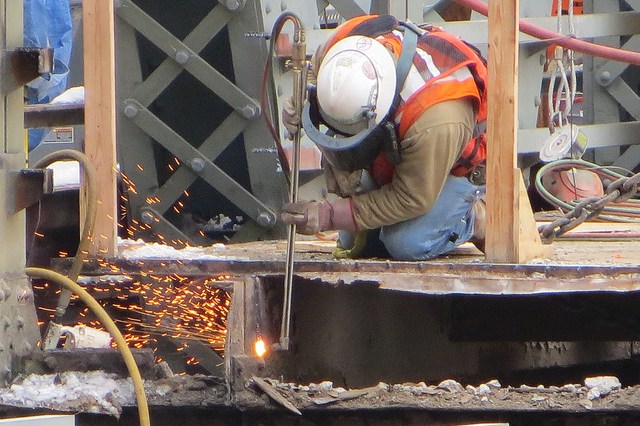
The majority of high-wage, low-inequality jobs in Illinois are in construction occupations, law enforcement careers, and firefighting positions. Politically-driven efforts to repeal the state’s prevailing wage law or to weaken public sector unions would decimate a majority of the middle-class occupations that remain for blue-collar workers in the state.

The State of Illinois should restore investment in wind power and other clean energy infrastructure to at least 2015 levels, according to the Illinois Economic Policy Institute in a new Economic Commentary [PDF].
Wind power generates positive impacts for the people of Illinois. Previous investments already prevent the emission of 7.6 million metric tons of carbon dioxide from Illinois and save 4.5 billion gallons of water every year. In addition, wind power has saved Illinois residents millions of dollars.
Continue reading “Illinois Should Restore Wind Energy Funding”

Despite GDP Growth, Motor Fuel Tax Revenue Declines in Illinois
Despite modest economic growth, motor fuel tax revenue has fallen significantly in Illinois. The Illinois economy has grown by 31.2% since 2005, not adjusted for inflation. Meanwhile, an analysis of Illinois’ Comprehensive Annual Financial Reports finds that nominal motor fuel tax revenue collected has fallen by 9.4% since 2005.
Continue reading “The Decline of Motor Fuel Tax Revenue in Illinois”
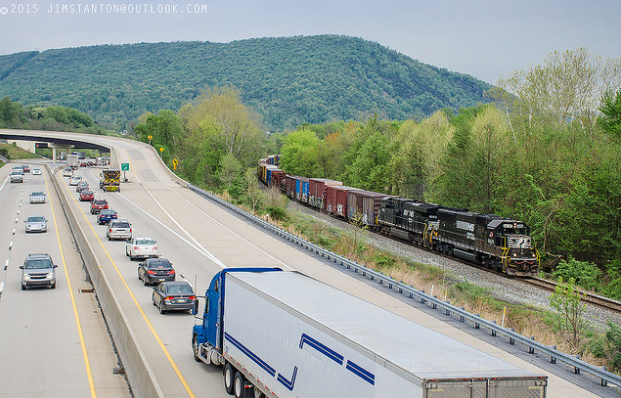
The Midwest’s transportation systems must be modernized to alleviate congestion, reduce motorist costs and injuries, and provide a world-class infrastructure that attracts businesses to locate in the region. Not investing in infrastructure is costing motorists more per year in vehicle … Continue reading Infrastructure in the Midwest

Obesity costs residents and taxpayers billions of dollars every year. Adult obesity alone costs Illinois $4.5 billion a year. To reduce adult obesity, Illinois should adopt policies that promote middle-class jobs, support high levels of education, advocate for a healthy lifestyle, and provide subsidies for healthy foods. These actions would have positive health, well-being, and economic benefits for the state. Continue reading “Reducing Obesity Benefits the Economy”
 The Illinois Update